
AI Wedding Photos vs Real Portfolios: What Couples Should Know
If you’ve been planning a wedding for more than five minutes, you’ve probably noticed something: wedding photos online are looking extra polished lately. Perfect lighting. Flawless couples. Zero chaos. And while part of that comes down to experience and great editing, there’s also a newer player in the mix: AI.
AI tools have made their way into many creative industries, including wedding photography. Used responsibly, they can help photographers work more efficiently behind the scenes (I’ll share specific examples of what that looks like later in this post). But lately, there’s been a growing conversation around AI-generated wedding photos being used in portfolios: images that don’t come from real weddings at all.
For couples, the concern isn’t about technology itself. It’s about clarity. When you’re choosing a photographer, you deserve to know that the images you’re seeing are a true reflection of what they can deliver on a real wedding day. Real lighting, real timelines, real moments.
This post is here to help you understand what AI wedding photos are, how they’re being used, and how to make sure the photographer you choose is showing work that genuinely represents their experience.
What AI in Wedding Photography Actually Is (And What It Isn’t)
For many professional photographers, AI is used quietly behind the scenes to support editing, not replace it. Some common examples would be helping sort through all the photos taken on the day or removing small distractions that cannot be controlled in the moment. Think of something like a trash can in the background of an otherwise beautiful photo (see the photos below). The moment was real. The lighting was real. The emotion was real. Generative AI can be used to clean up that background without changing anything about what actually happened.
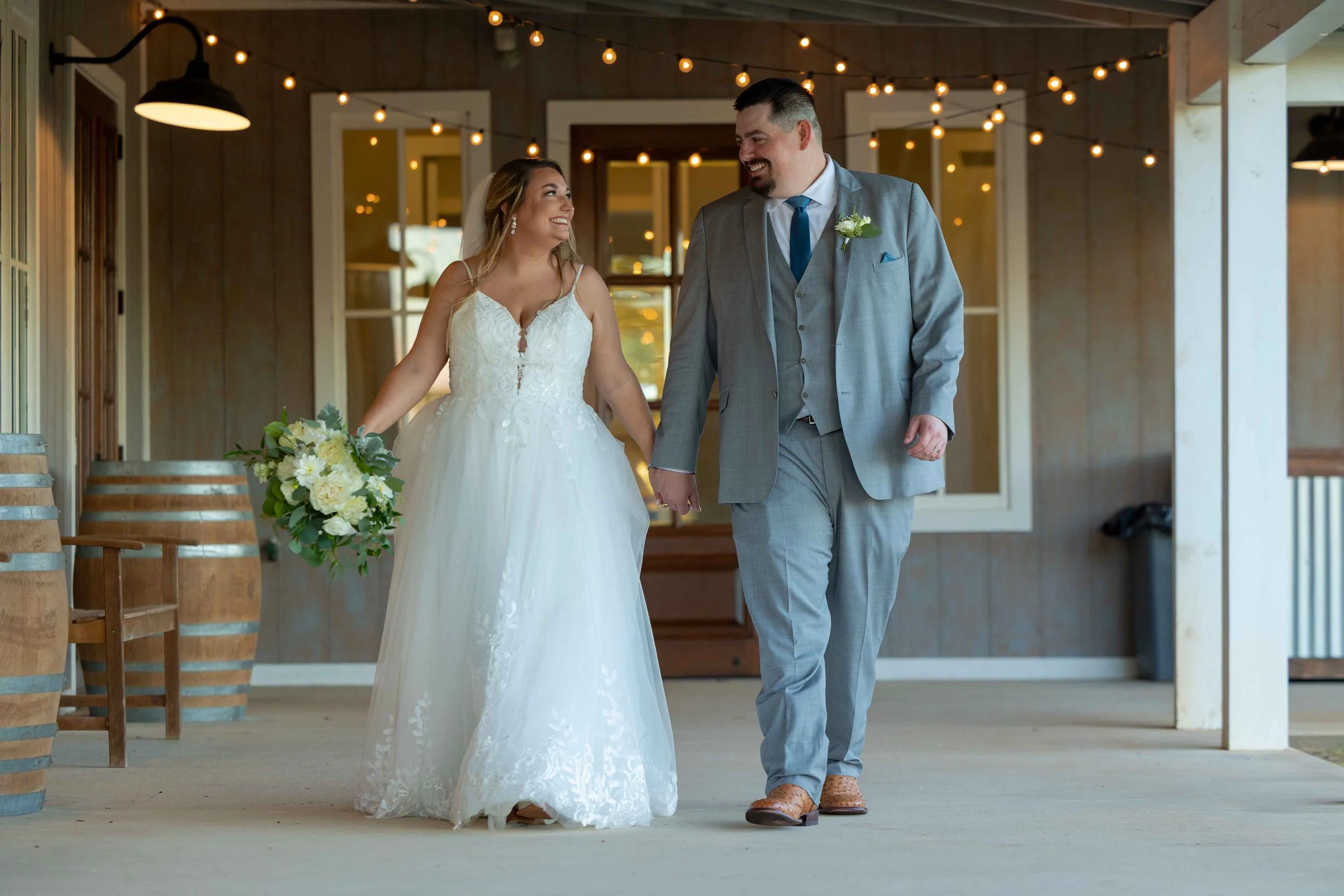
A trash can hides in the background
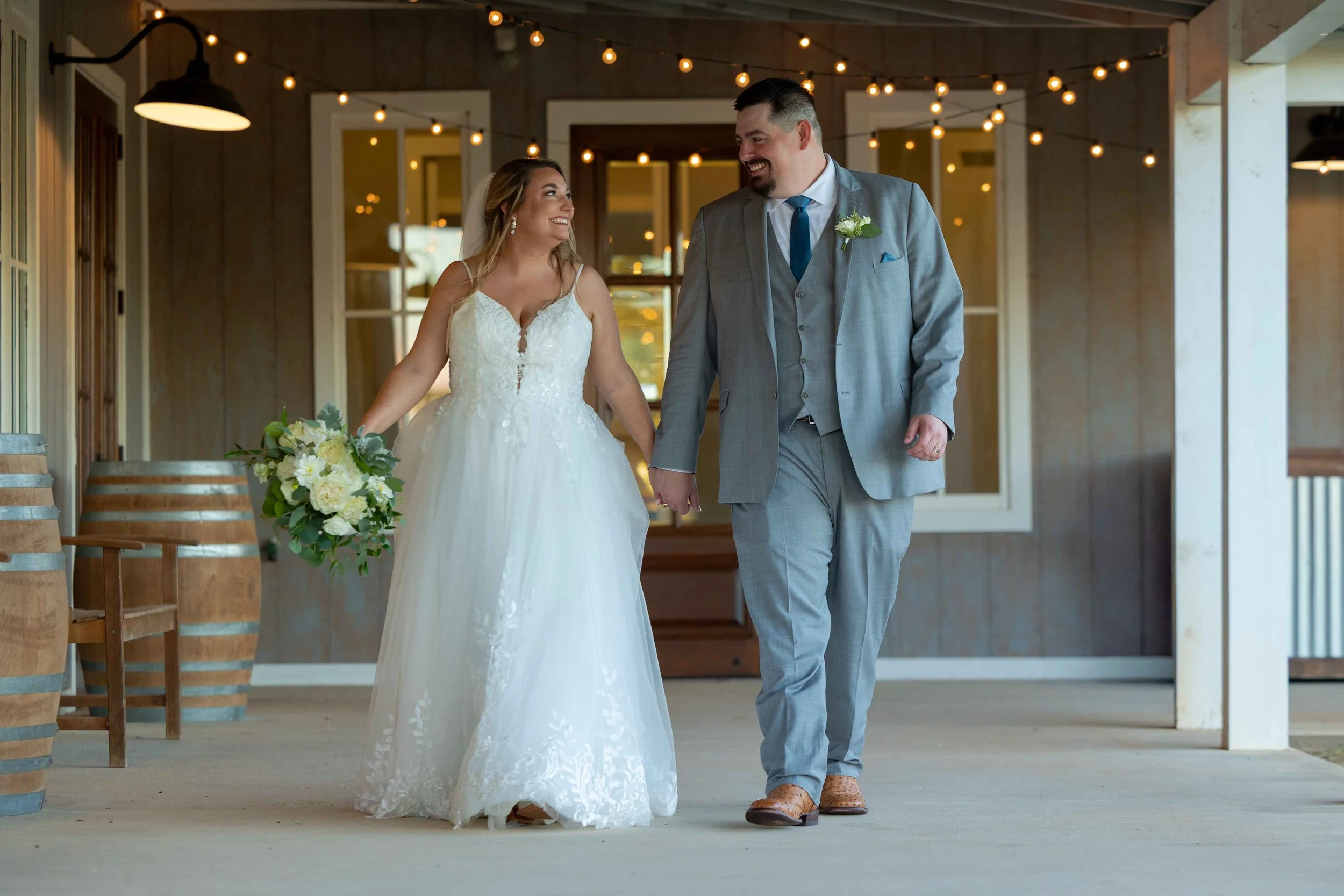
The trash can was removed using generative AI.
In cases like that, AI is not creating a new image. It is simply refining an existing one. The people, the expressions, and the memory itself remain untouched. Used thoughtfully, this kind of AI helps photographers deliver images that feel polished without feeling artificial.
AI-generated wedding photos are a different conversation.
These are images created entirely by software rather than captured during a real wedding day. No ceremony, no reception, no timeline pressure. Just a prompt and a result that looks impressively perfect. Sometimes, these images are included in portfolios or on websites without clear context.
From a couple’s perspective, this is where things can start to feel confusing. When you are planning a wedding, you are not just choosing a style you like. You are trying to picture yourself in those photos. You are asking, often subconsciously, “Can this person handle a day like mine?”
This isn’t about whether AI is good or bad. It is about whether what you are seeing reflects real moments, real problem-solving, and days that actually happened.
That distinction becomes especially important when you are making decisions you cannot redo. In the next section, we will talk about why AI-generated portfolios have become more common recently and how that trend can unintentionally complicate the decision-making process for couples.
Why AI-Generated Portfolios Are Being Talked About at All
It is important to say this clearly first: the vast majority of wedding photographers do not use AI-generated images in their portfolios, and many in the industry are openly critical of the practice. Wedding photography is built on trust, experience, and real human connection, and most professionals take that responsibility seriously.
That said, conversations around AI-generated portfolios have surfaced because a small number of people have begun experimenting with them, especially online. As AI tools have become more accessible, it has become easier for someone to create images that look polished and wedding adjacent without having photographed real events.
For couples, this topic tends to come up not because it’s common, but because weddings are high stakes. You are making decisions based largely on what you see online, often before ever meeting a photographer in person. Even a rare practice can feel relevant when the outcome matters as much as your wedding photos do.
This is not about distrusting the industry. It’s about understanding how to read between the lines. Most photographers are showing real weddings with real couples and real experiences. Learning how to recognize that simply helps you feel more confident in your choice, not more cautious.
In the next section, we will walk through some practical ways to tell whether a portfolio reflects real wedding experience, so you can focus on finding a photographer you truly connect with.
How to Look at a Portfolio With AI in Mind
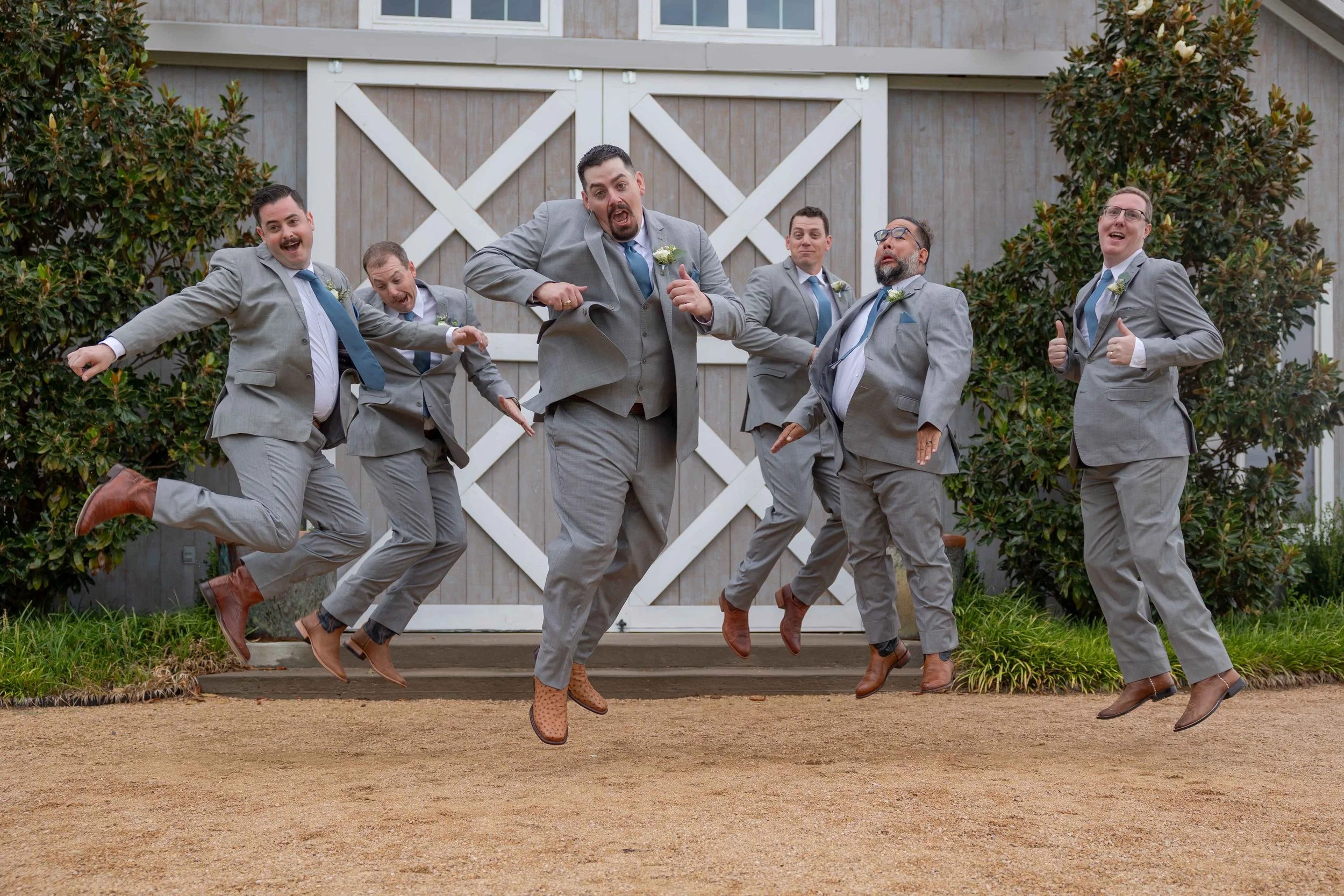
A few years ago, AI-generated images often had obvious visual giveaways. Things like unnatural facial features or strange details made them easier to spot. As the technology has evolved, those signs have become far less reliable.
Today, many AI images look polished and believable at first glance. Because of that, trying to identify AI solely by inspecting individual photos is no longer a dependable approach. What may have been a clear indicator even recently can change quickly as tools improve.
This is why it helps to look beyond single images and focus instead on patterns and context. Visual realism alone does not tell you whether a photographer has experience documenting full wedding days. A portfolio can look convincing without being representative of real events.
Rather than searching for flaws in individual photos, paying attention to how a body of work is presented over time often provides more meaningful insight.
Look at How Long the Photographer Has Been Sharing Weddings
One of the strongest indicators of experience is time.
Blogs, Instagram feeds, and archived posts can show how long someone has been photographing weddings and how consistently they have been documenting real events. Photographers with full-day experience tend to have a visible history of weddings over months and years, not just a sudden appearance of polished images.
If they have a blog on their website, check out how long they’ve been posting for. This can also be a good indicator for how long they’ve been in the industry.
This does not mean newer photographers should be dismissed. Everyone starts somewhere. It simply means that AI-generated portfolios are more often used to compensate for limited experience than to supplement an established body of work.
Pay Attention to Gallery Size and Scope
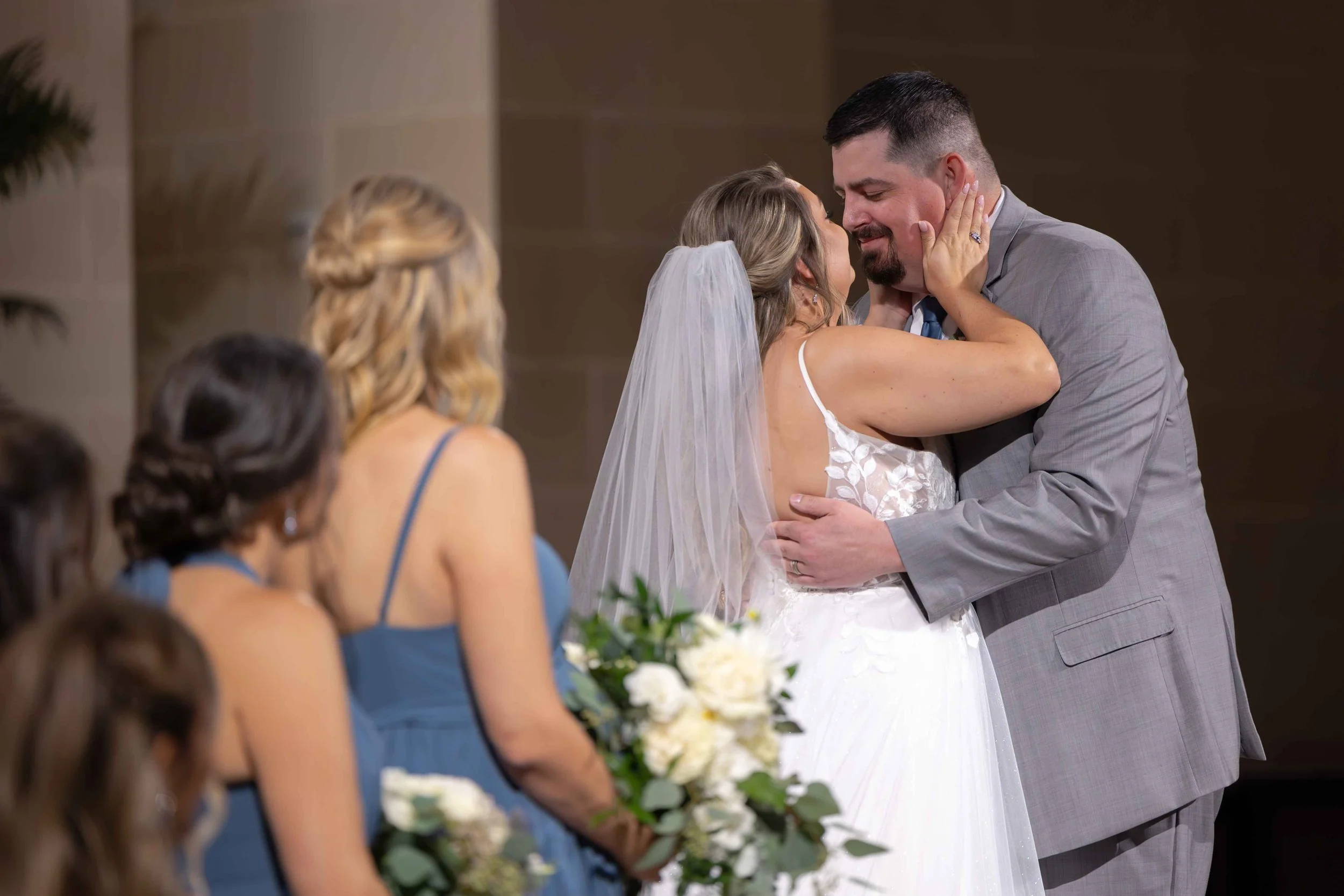
When a photographer refers to a wedding as full-day coverage, that usually means documenting everything from getting ready through the reception or send-off. A real wedding day typically results in several hundred images, and sometimes closer to a thousand, depending on the photographer and timeline.
If a gallery is presented as a full wedding day but only includes a small number of images, that can be a sign that the photographer may not have extensive experience handling or delivering full-day coverage. While curated previews are normal for websites, experienced photographers should be able to share complete galleries privately that show consistency across an entire day.
The goal is not volume for its own sake. It is understanding whether the photographer has experience managing, editing, and delivering a full wedding day from start to finish.
Side note: Most photographers do not post full galleries on their website. They should have at least a handful ready to share upon request, however.
Look for Variety Across Different Weddings
Real wedding work naturally includes variety over time. Different venues, seasons, group dynamics, and timelines begin to show themselves across multiple weddings.
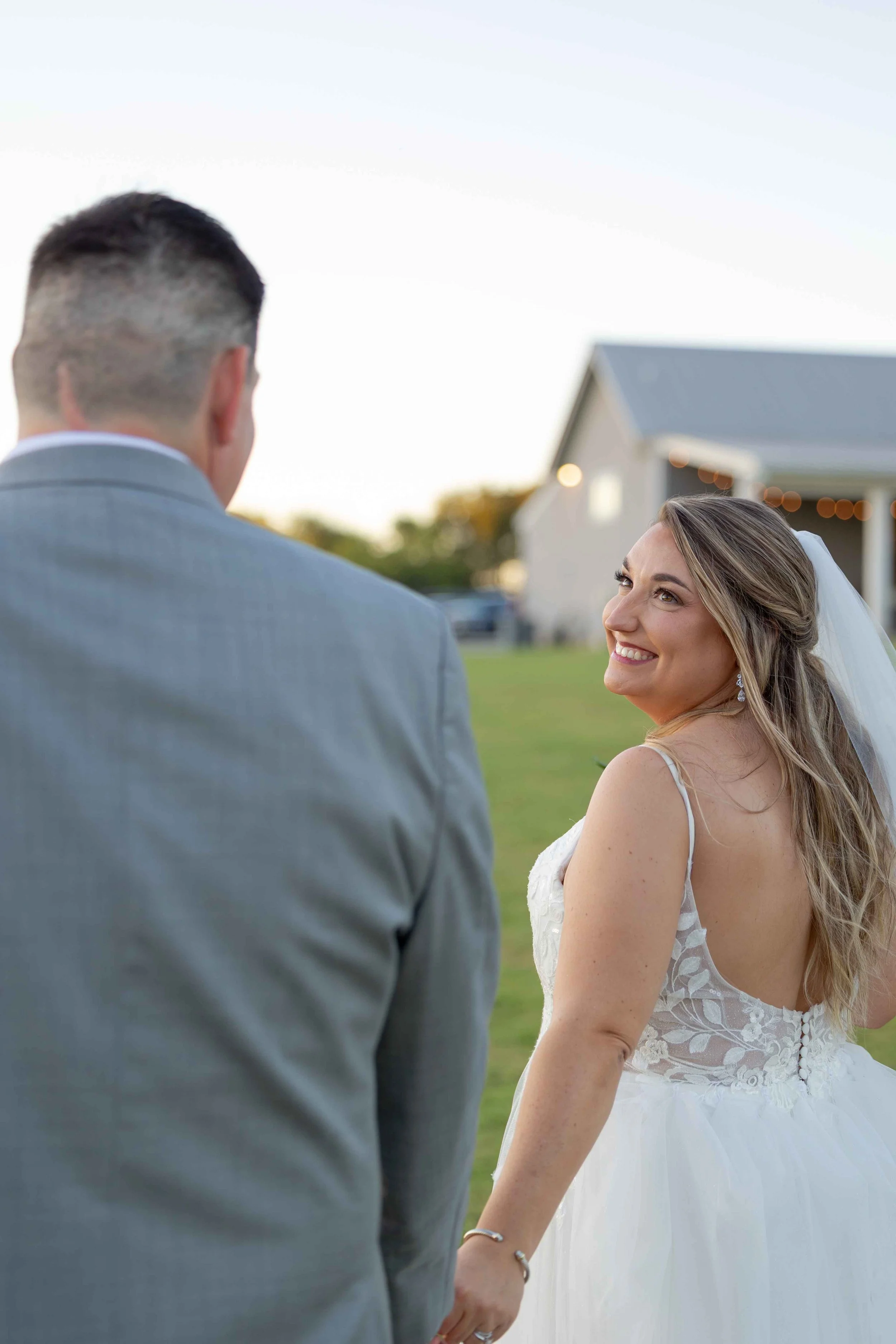
AI-generated images often rely on repetition. Couples may look similar, locations may feel interchangeable, and details may lack a clear sense of place. Seeing variety across multiple weddings can help confirm that the work is grounded in real events rather than generated scenarios.
Read Google Reviews
Third-party reviews can be especially helpful when they include context. Google reviews are a common place to find this, as couples often leave detailed feedback and sometimes upload photos from their own wedding day.
Reviews that mention specific moments, experiences, or timelines can add confidence that a photographer has real, hands-on experience delivering wedding coverage. A pattern of thoughtful reviews over time tends to be more informative than a handful of brief testimonials.
Notice How Open the Photographer Is During the Inquiry Process
The way a photographer communicates before booking can be just as revealing as what is shown online.
Photographers with real wedding experience are typically comfortable answering questions about their work, sharing additional galleries privately, and explaining how their images are created. Clear, straightforward communication often goes hand in hand with transparency and experience.
What to Pay Attention to During a Consultation
By the time you reach out to a photographer, you are not trying to interrogate them. You are trying to get a feel for whether this is someone you trust and feel comfortable communicating with.
One helpful thing to notice during a consultation is how open the photographer is to questions. That includes questions about experience, how weddings are covered from start to finish, and how tools like AI fit into their workflow.
Photographers who are confident in their experience usually welcome these conversations. They do not rush past them or make you feel awkward for asking. Clear, calm explanations and a willingness to share additional examples privately often signal transparency.
If asking reasonable questions feels uncomfortable, or if your curiosity is met with defensiveness or vague reassurance, it is okay to pause. Your wedding photographer will be with you during some of the most personal moments of the day. Feeling heard and respected in early conversations matters.
Why Authentic Wedding Photography Still Matters
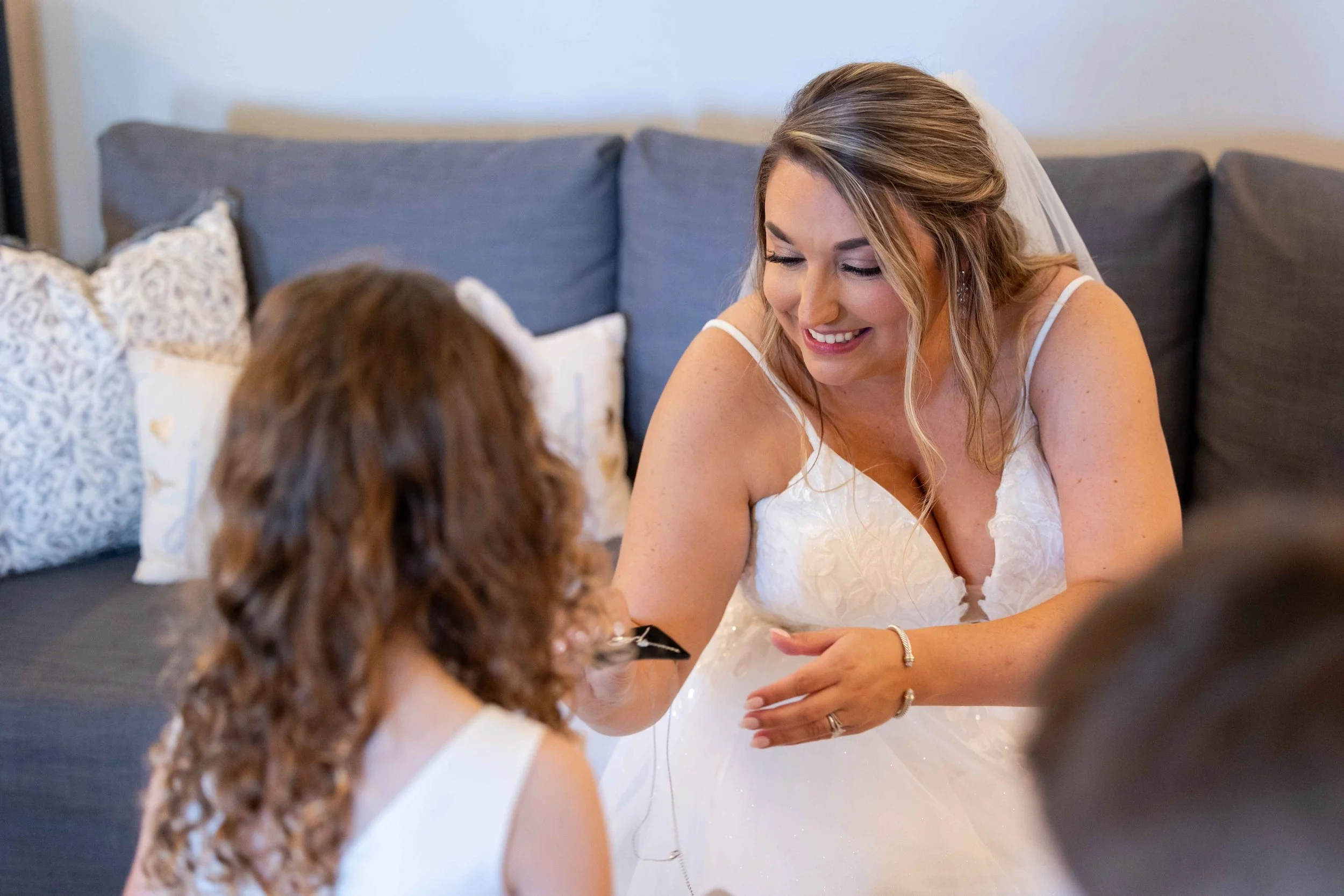
At the end of the day, wedding photography is not about perfect images. It is about preserving something real.
Technology will continue to change how photos are edited, delivered, and shared. AI is now part of that landscape, and in many cases, it can be a helpful tool when used responsibly. What has not changed is the reason couples hire a photographer in the first place. You are trusting someone to document a day that cannot be recreated.
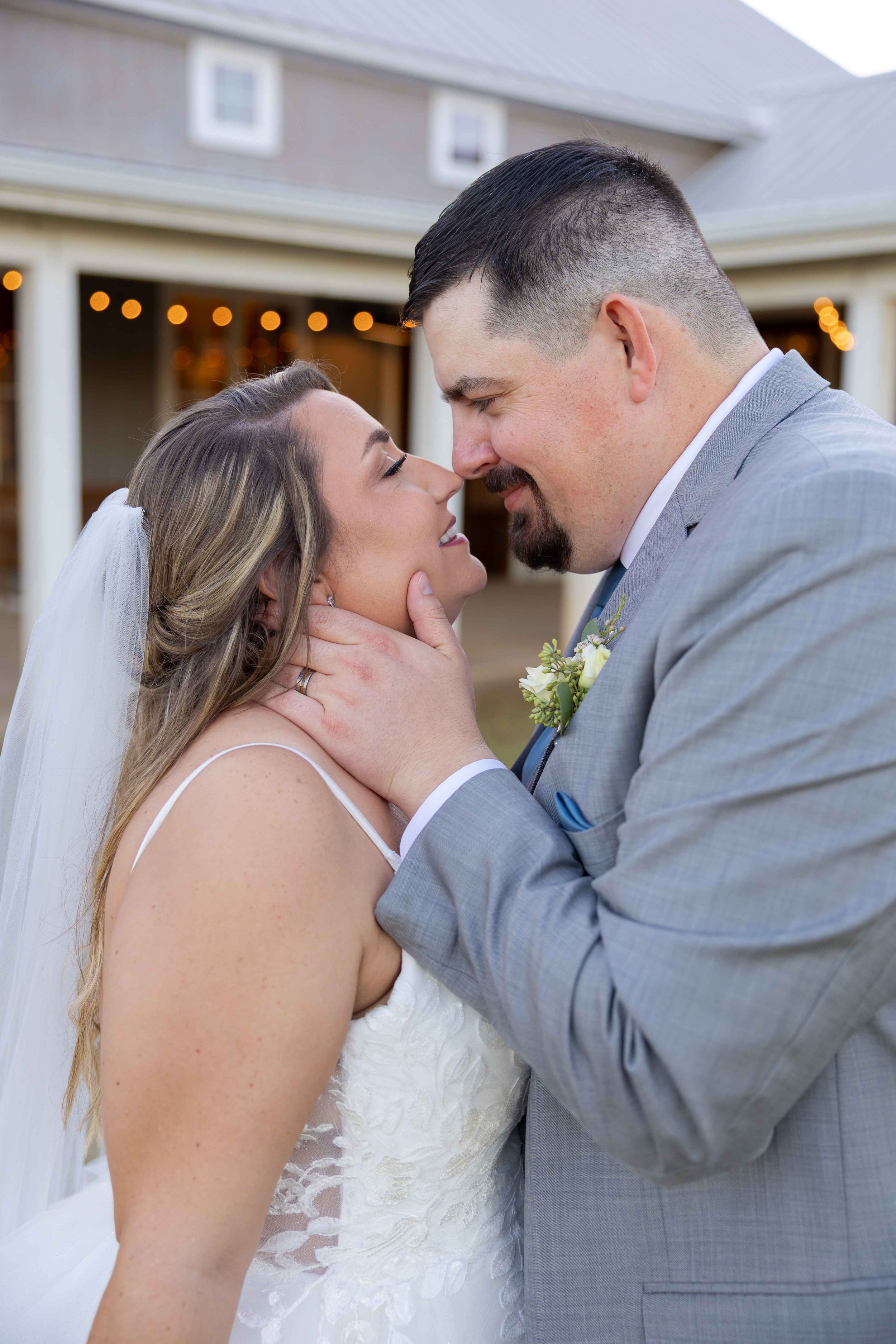
Authentic wedding photography reflects real moments, real people, and real experiences. It shows how a photographer works through a full wedding day, adapts when things do not go exactly as planned, and delivers a gallery that feels true to what you lived, not just what looked good online.
This is why transparency matters more than ever. Not because most photographers are doing anything wrong, but because clarity helps couples make decisions with confidence. When you understand what you are seeing and know what questions to ask, choosing a photographer becomes less stressful and more intuitive.
Your wedding photos should feel like a reflection of your day, not a version of it that was imagined after the fact. Prioritizing authenticity helps ensure that the memories you receive are as meaningful years from now as they are today.
If you found this helpful, you’re not alone. Wedding planning comes with a lot of noise, and it can be hard to know which advice actually applies to real weddings.
If you’d like more guidance like this, you can subscribe to our newsletter. It’s where we share practical tips, honest insight, and behind-the-scenes perspective to help couples make confident decisions without the overwhelm.
No spam. No pressure. Just helpful information, delivered occasionally, when it’s worth your time.
FAQ: AI Wedding Photos
-
AI wedding photos are images created entirely by software rather than photographed at a real wedding. These images are generated based on prompts and patterns, not real events, couples, or timelines.
This is different from using AI tools to assist with editing real wedding photos, which many photographers do ethically and transparently as part of their workflow.
-
No. The vast majority of wedding photographers strongly oppose using AI-generated images to represent real work. Wedding photography relies heavily on trust, and most professionals are committed to showing authentic experiences.
This topic comes up not because the practice is widespread, but because even rare examples can create confusion for couples who are planning primarily online.
-
Sometimes, but not always.
In the past, AI-generated images often had obvious visual flaws. As the technology has improved, many AI images now look realistic enough that visual inspection alone is no longer reliable. Because of this, identifying AI-generated work is less about spotting individual imperfections and more about understanding the broader context of a photographer’s portfolio.
Looking at consistency over time, evidence of full wedding-day experience, and the ability to share real galleries privately tends to be more informative than analyzing a single image.
-
A full wedding day, from getting ready through the reception or send-off, typically results in several hundred images. Depending on the photographer, timeline, and coverage length, that number can range from a few hundred to over a thousand photos.
If something is described as full-day coverage, it is reasonable to ask whether the photographer has experience managing and delivering a complete wedding day gallery, not just a curated preview.
-
Confidence usually comes from context rather than a single signal.
Looking at how long a photographer has been sharing weddings publicly, whether they can provide full galleries privately upon request, and whether there is a history of detailed Google reviews can help paint a clearer picture. No one factor is definitive, but taken together, they often provide reassurance.
-
Yes. Asking questions about experience, workflow, and tools is completely appropriate.
Photographers who are confident in their work are usually comfortable explaining how their images are created and what role, if any, AI plays in their process. Clear and open communication is often a good indicator of transparency.
-
AI can assist with certain tasks, but it cannot replace the human elements of wedding photography. Anticipating moments, navigating emotions, adapting to unpredictable timelines, and building trust with couples are all central to the role and cannot be automated.
Wedding photography is ultimately about documenting real people and real experiences, not generating images in isolation.